



Comprehensive Process Automation Solutions for Water and Chemical Industries
Comprehensive process automation solutions integrate advanced valves, sensors, and measurement technologies to enable efficient, reliable, and sustainable industrial liquid handling systems for modern water and chemical processing facilities.
Advanced Valve and Flow Control Systems
Advanced valve and flow control technologies form the backbone of industrial process automation systems. These solutions include manual valves, automated valves, and intelligent actuation systems designed to regulate liquid flow with high precision and reliability. In water treatment plants, chemical processing facilities, and infrastructure systems, accurate flow control is essential to ensure safety, maintain product quality, and optimize operational efficiency. Modern valve automation centers integrate control units, actuators, and monitoring systems that allow centralized management of complex fluid networks.
These systems are designed to withstand harsh industrial environments, including corrosive chemicals and demanding temperature conditions. By integrating smart actuators with control software and network connectivity, facilities can remotely monitor valve status, automate operations, and reduce manual intervention. This improves operational efficiency while minimizing downtime and maintenance requirements. Advanced valve technologies also support scalable infrastructure, making them suitable for expanding industrial plants and smart water management systems. Through reliable flow control and automation, organizations can improve system stability, maintain regulatory compliance, and ensure uninterrupted industrial operations across large-scale liquid handling processes.
Precision Measurement and Monitoring Technologies
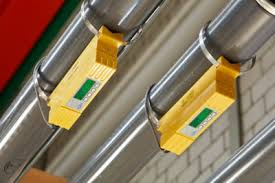
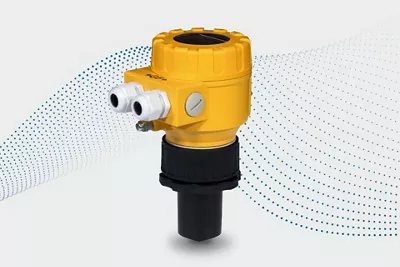
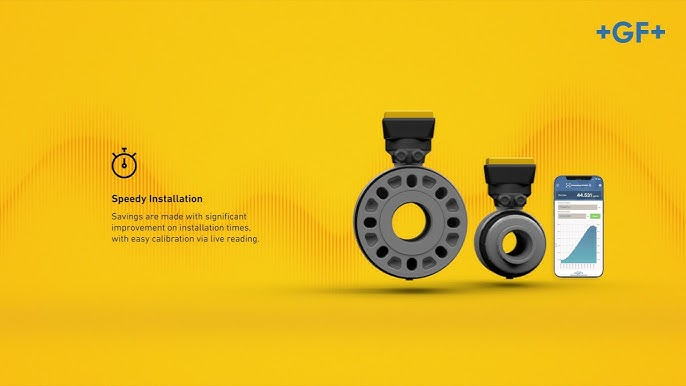
Precision measurement technologies play a critical role in maintaining process stability and product quality in industrial environments. High-accuracy sensors and measurement instruments allow continuous monitoring of essential liquid parameters such as flow rate, pH/ORP levels, conductivity, temperature, pressure, and dissolved oxygen. These sensors provide real-time insights into process conditions, enabling operators to maintain optimal performance in water treatment, chemical processing, and industrial manufacturing facilities. Measurement technologies include advanced electronic flow meters such as electromagnetic (magmeters) and ultrasonic flow meters, which deliver highly accurate flow data without obstructing the fluid path.
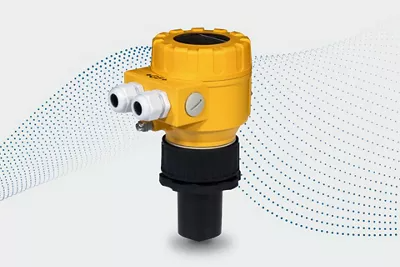
In addition, modern liquid analysis sensors detect chemical properties within pipelines and tanks, helping maintain precise chemical balances. Level detection systems and pressure sensors provide further control by ensuring proper storage and safe transport of liquids. When combined with intelligent transmitters, monitors, and controllers, these measurement devices enable automated responses to process changes. Continuous data collection also improves operational transparency and supports quality assurance across industrial systems. By leveraging precise measurement technologies, industries can maintain efficient processes, minimize waste, and ensure consistent operational performance.
Integrated Liquid Handling Infrastructure
Integrated liquid handling infrastructure combines mechanical components and automation technologies to create reliable systems for transporting and controlling industrial fluids. This infrastructure includes pipes, fittings, jointing technologies, and specialized connectors that enable safe and efficient movement of liquids throughout industrial facilities. Designed for applications in water treatment plants, chemical processing industries, and infrastructure systems, these components must withstand pressure variations, chemical exposure, and temperature fluctuations. High-quality piping systems ensure leak-free performance while maintaining structural integrity over long operational lifespans. Advanced jointing technologies simplify installation and maintenance, allowing faster deployment and reduced operational disruptions.
In automated environments, piping systems work seamlessly with valves, sensors, and actuators to create a fully connected liquid management network. Properly engineered infrastructure not only ensures operational reliability but also improves system efficiency by reducing energy losses and minimizing fluid resistance. Integrated liquid handling solutions also support modular plant design, enabling industries to scale or modify systems as operational demands evolve. By combining durable mechanical components with modern automation technologies, industrial facilities can create resilient and efficient liquid management systems capable of supporting critical processes and long-term operational sustainability.
Smart Automation and Industrial Connectivity
Modern process automation solutions are increasingly designed to support smart industrial connectivity and digital transformation. Integration with Industrial Ethernet networks and Industrial Internet of Things (IIoT) technologies enables real-time communication between sensors, control systems, and plant management platforms. This connected environment allows operators to collect and analyze large volumes of operational data from across the facility. Intelligent controllers and transmitters convert sensor signals into actionable insights, enabling automated adjustments to maintain optimal process conditions.
Remote monitoring capabilities allow engineers to supervise plant performance from centralized control rooms or cloud-based platforms. Predictive maintenance technologies further enhance reliability by analyzing equipment behavior to detect early signs of wear or malfunction. This proactive maintenance approach reduces unexpected downtime and extends the lifespan of critical equipment. Connected automation systems also improve operational visibility by providing detailed performance dashboards and analytics tools. These insights help plant managers identify inefficiencies, optimize resource usage, and improve energy management. By adopting smart automation and industrial connectivity, organizations can modernize their operations, enhance productivity, and achieve higher levels of operational intelligence across complex industrial environments.
*Prices are pre-tax. They exclude delivery charges and customs duties and do not include additional charges for installation or activation options. Prices are indicative only and may vary by country, with changes to the cost of raw materials and exchange rates.